Frequently Asked Questions
How does Florida's humid climate affect paver sealing in Cape Coral?
Florida's year-round moisture and UV exposure cause pavers to fade, stain, and grow algae faster than in drier climates. Premium sealer creates a protective barrier against moisture penetration and organic growth. Sealed pavers resist mildew buildup and maintain color despite intense sun and humidity cycles common in Southwest Florida.What gets removed during professional paver pressure washing?
Pressure washing removes algae, mildew, mold, dirt, and built-up organic debris that accumulates in Florida's humid environment. These contaminants create slippery surfaces and discolor pavers over time. Proper cleaning also prepares the surface for sealing by opening pores and ensuring sealer adhesion.When should you repair pavers instead of replacing the entire area?
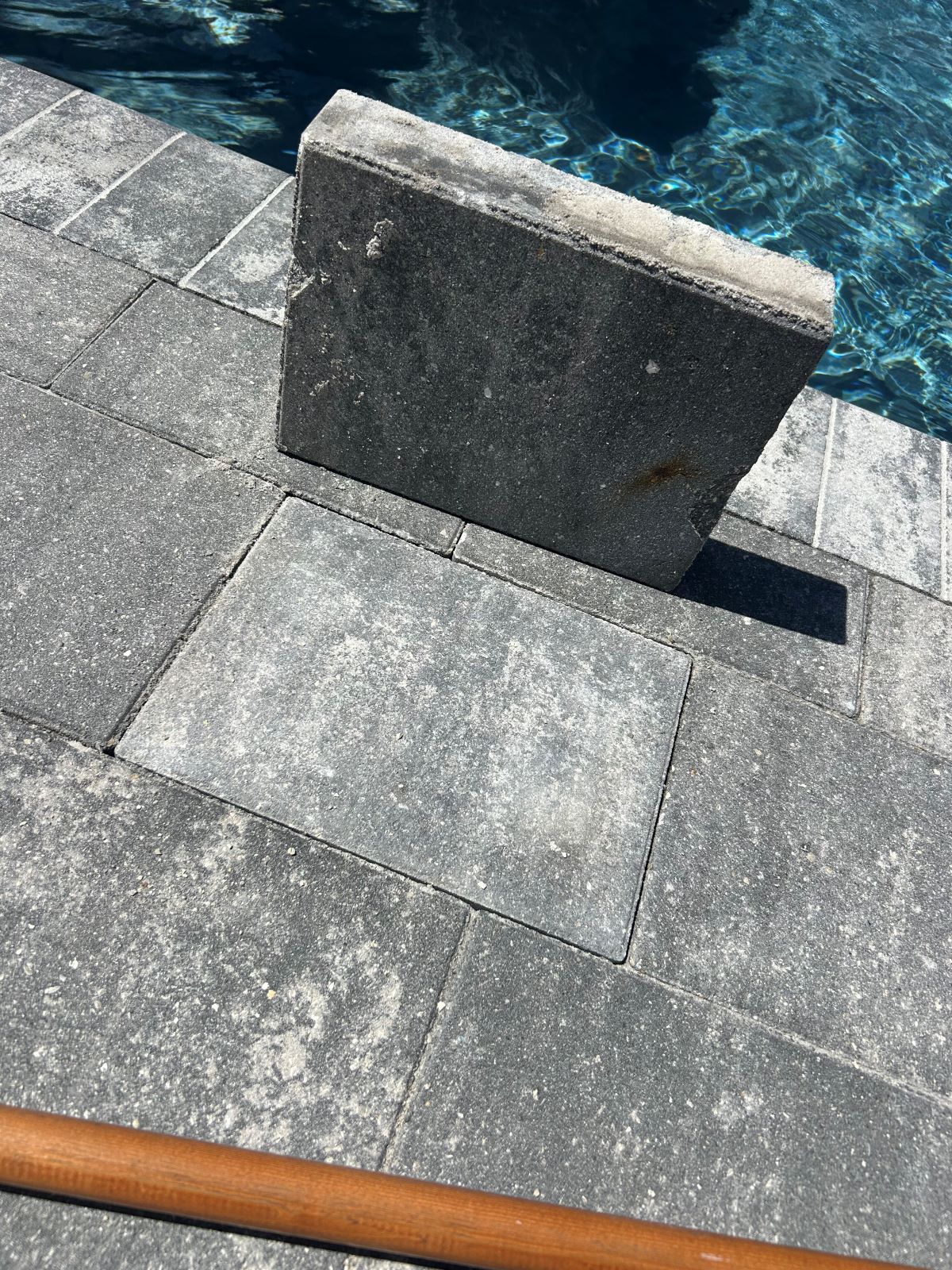
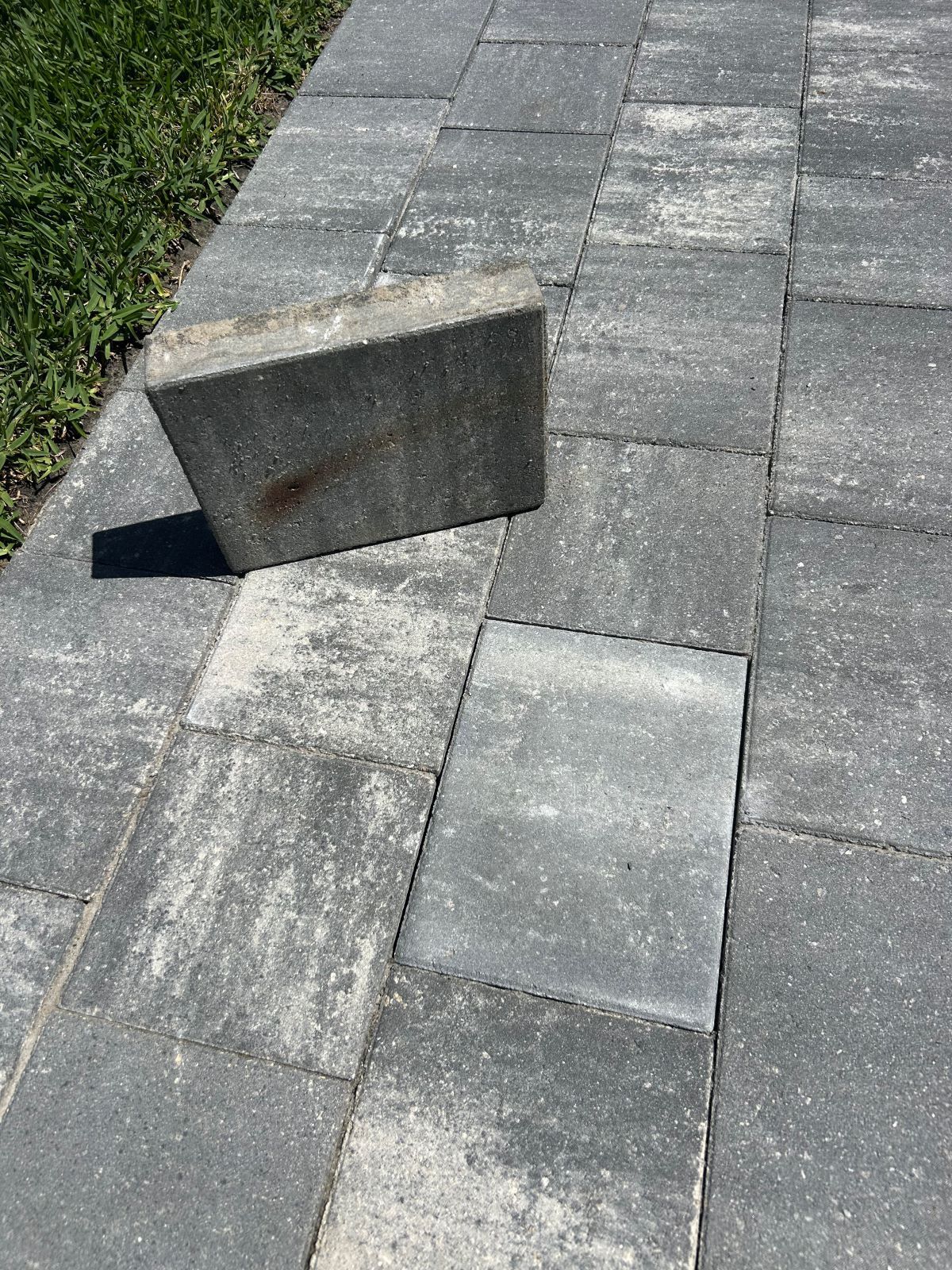
Repair makes sense when damage is isolated to specific sections—loose, uneven, cracked, or sunken pavers in limited areas. Replacing entire installations costs significantly more and isn't necessary if the base and surrounding pavers remain stable. Matching existing pavers creates a consistent appearance while extending the life of your original investment.What causes pavers to become loose or uneven over time?
Base erosion from water intrusion, root growth, and settling cause pavers to shift, sink, or become uneven. Florida's sandy soil and heavy rain accelerate base movement compared to stable ground conditions. These issues affect both safety and appearance, creating trip hazards and water pooling.Why does soft washing work better than pressure washing for lanais and screen enclosures?
Soft washing uses low-pressure application that won't damage screens, mesh, or painted finishes on delicate surfaces. High pressure can tear screens, strip paint, and force water into electrical fixtures. The cleaning solution does the work by breaking down algae and mildew without mechanical force.How does sealing make paver maintenance easier after it's applied?
Sealed pavers resist stain absorption, so spills and dirt sit on the surface instead of penetrating. You'll spend less time scrubbing because organic growth struggles to attach to the sealed surface. Routine rinsing maintains appearance between deep cleanings, unlike unsealed pavers that trap contaminants in the porous surface.What preparation happens before paver sealer gets applied?
Pavers must be thoroughly cleaned to remove all dirt, algae, mildew, and debris before sealing. Any contaminants trapped under sealer will show through and reduce adhesion. The surface also needs to dry completely, as moisture under sealer causes cloudiness and premature failure.What's included in professional paver installation that affects long-term performance?
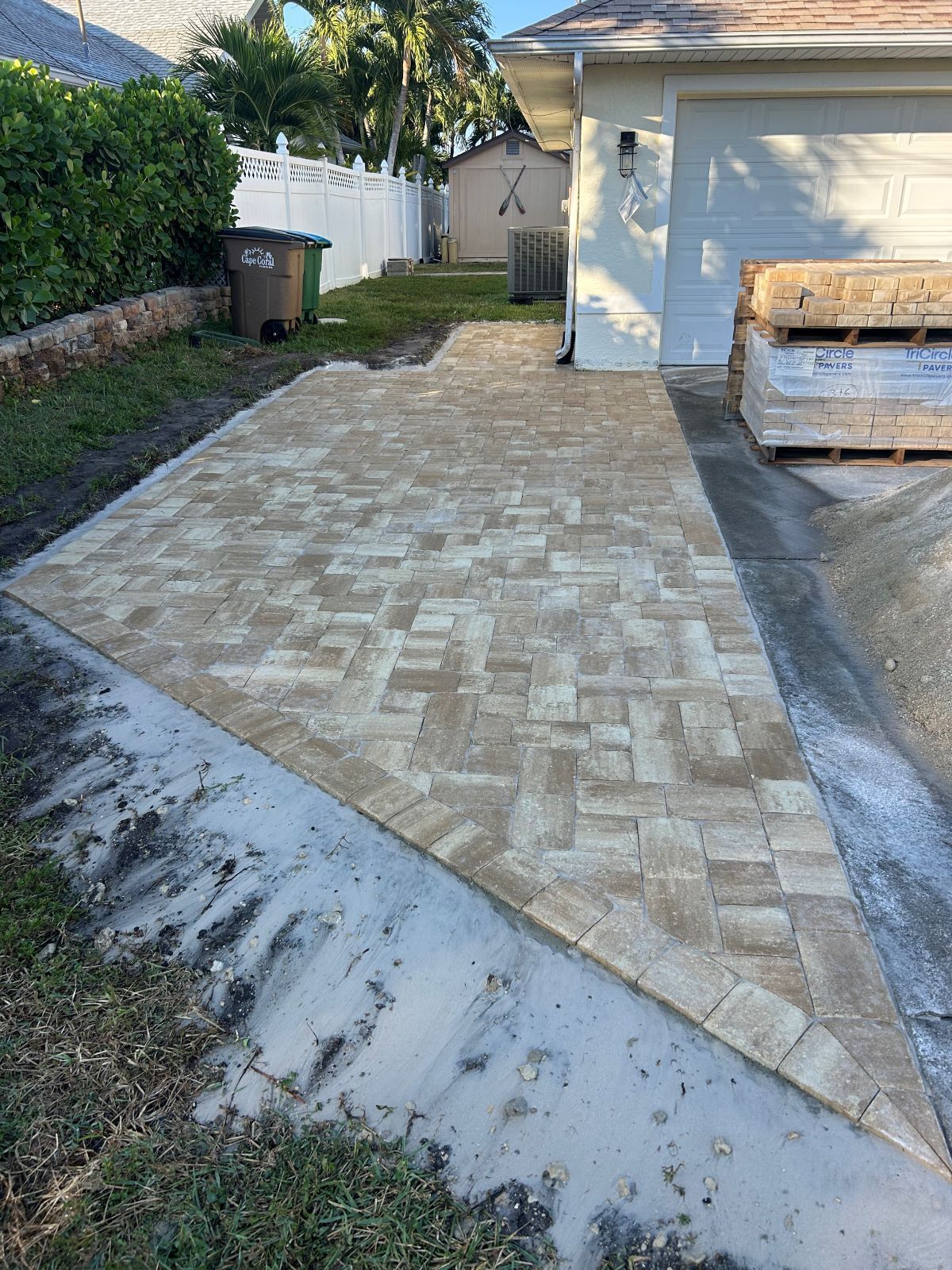
Proper site preparation, grading for drainage, and compacted base layers determine whether pavers stay level or sink over time. Installation technique affects joint stability, edge restraint, and water runoff patterns. Skipping base preparation or grading steps leads to settling, shifting, and premature failure regardless of paver quality.Can concrete driveway cleaning remove tire marks and oil stains?
Professional cleaning removes most organic buildup, algae, mildew, and surface dirt that accumulate in Florida's climate. Tire marks often lift with proper technique and dwell time. Deep-set oil stains may lighten but can't always be fully removed because petroleum penetrates concrete pores below the surface layer.Why do Cape Coral homeowners need paver sealing more often than northern climates?
Year-round outdoor exposure, intense UV, and constant moisture cycles break down sealer faster in Southwest Florida. Northern climates have dormant winter months with less UV damage and biological growth. Waterfront properties face additional salt exposure that accelerates sealer degradation and surface wear.What does owner-operated service mean for paver projects?
The business owner handles your project directly from estimate through completion instead of delegating to rotating crews. You get consistent communication, accountability, and attention to detail throughout the process. Problems get resolved immediately without going through layers of management or subcontractors.What should you look for when matching existing pavers during repairs?
Color, texture, size, and thickness all need to match for a consistent finished appearance. Fading from sun exposure means older pavers rarely match new inventory exactly. Experienced installers source closest available matches and can adjust placement patterns to blend repairs naturally with surrounding areas.